
Experimental Memories: Rediscovering the Archive
Chasing ideas, testing boundaries, and sometimes just seeing what happens.

Over the last month, I’ve been on a pretty deep organizational kick. It started physically — reworking my photobook collection into one cohesive shelf, letting go of older pieces as new ones come in, and generally leaning into a pre-spring cleaning mindset. Too much clutter. Not enough organization. Too many things in general.
What I didn’t expect was how quickly organizing my physical space would start nudging me toward organizing my digital space as well.
I’ve been slowly digging through roughly ten years of photo archives, and one realization hit me almost immediately while revisiting older work: I used to spend much more time experimenting than I do now.
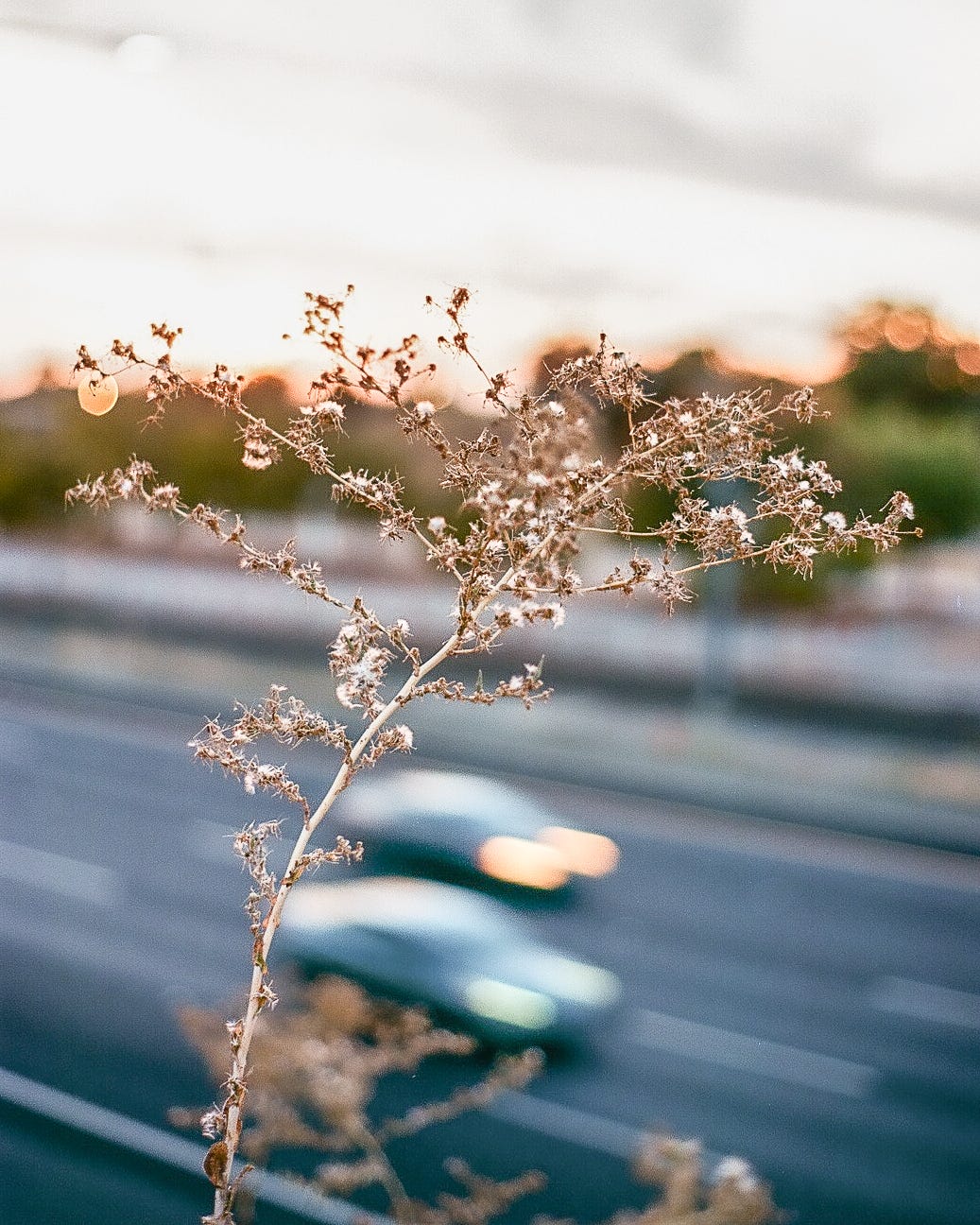
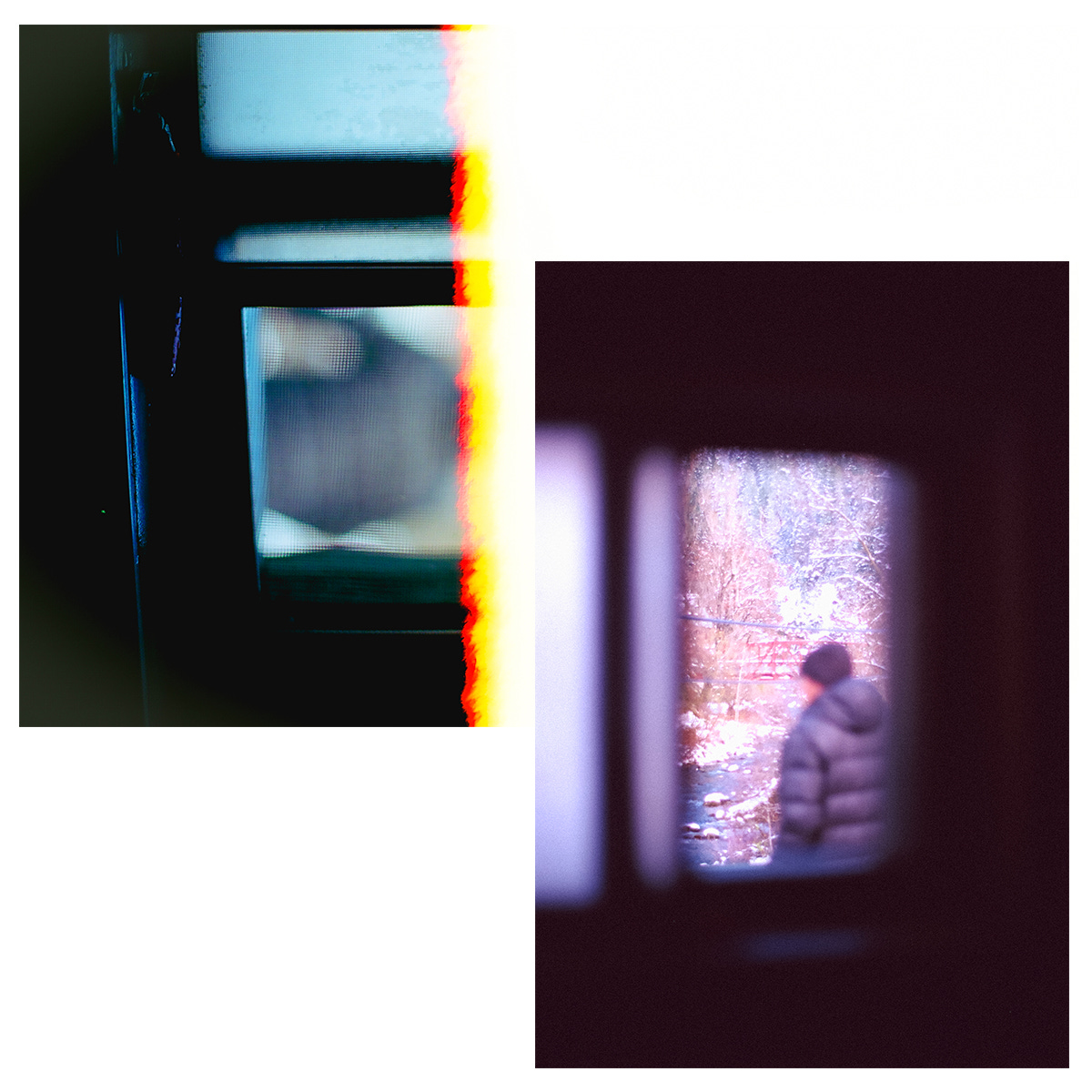
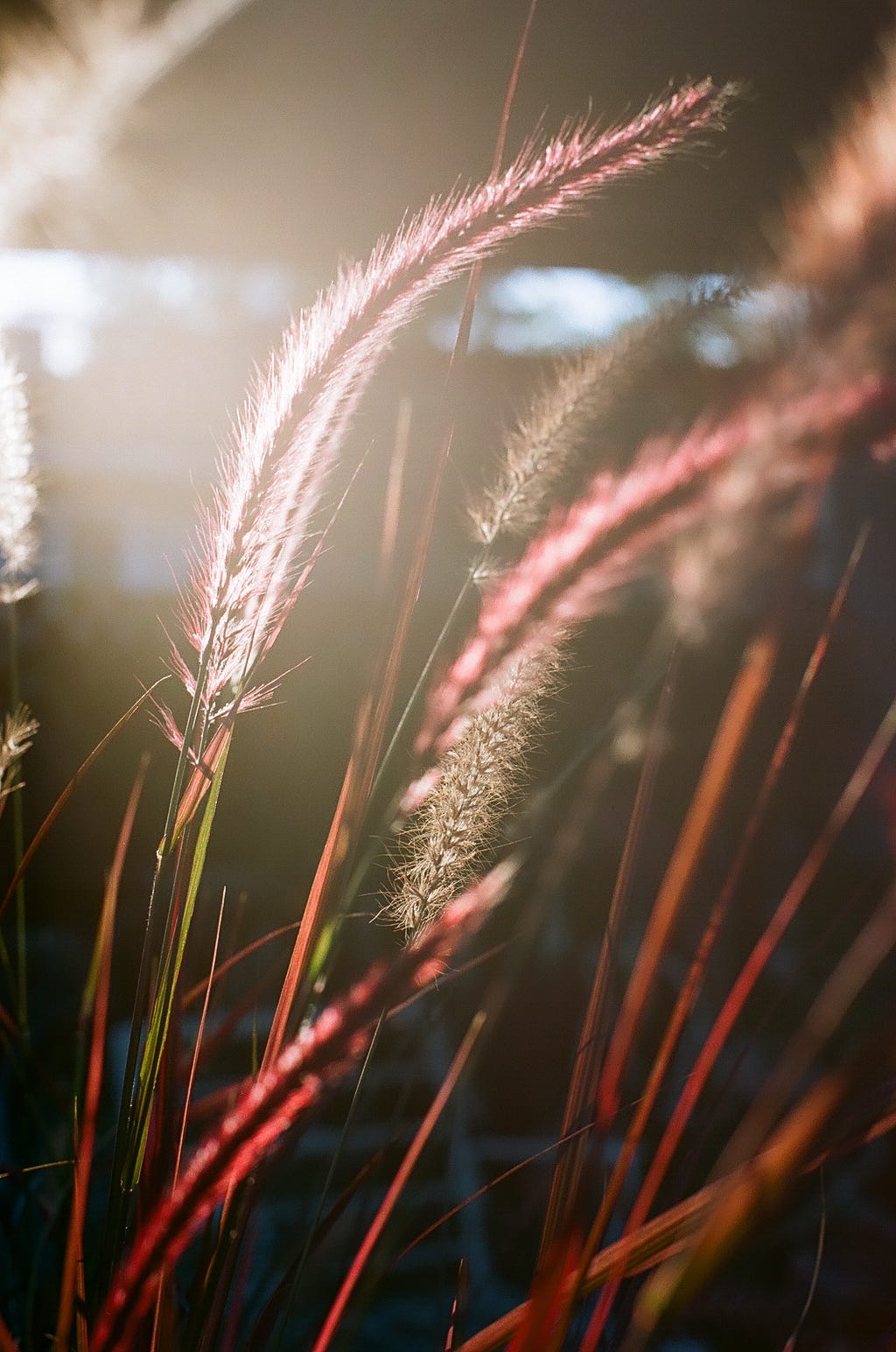
As we move through different styles and learning processes in photography, experimentation is part of the game. You’re trying things, chasing ideas, testing boundaries, and sometimes just seeing what happens. Over time, though, something shifts. As competence grows and a cohesive style begins to form, those experimental patterns fade away. They quietly get replaced by consistency — by the ability to reliably reach a visual state that you know works.
And while consistency can be incredibly valuable, it also has a shadow side.
Experimentation carries the burden of possible failure. It invites you down paths that might not deliver a clear reward. A repeatable blueprint is safe. It’s efficient. It’s dependable. But it can also dull the knife of curiosity if you’re not careful.
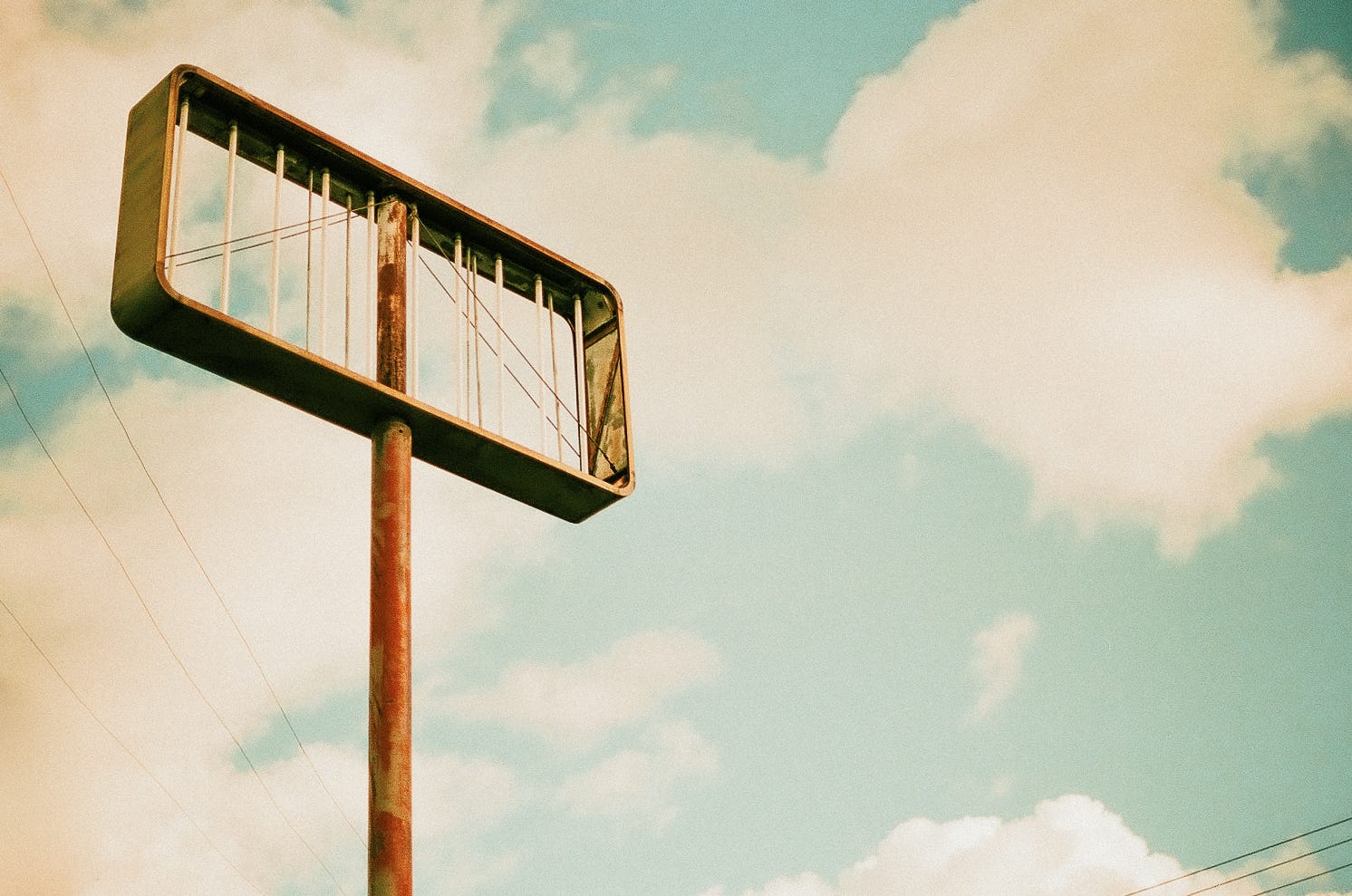
As a hybrid shooter, this contrast became even more obvious while reviewing older projects. There was a period when I spent significantly more time shooting film, especially when working on focused bodies of work. Because of that, I now have this interesting overlap where the same scenes exist in both digital and film versions.
During one stretch in particular, I leaned heavily into buying thrift-store and secondhand rolls of film. Most of them had expired. Many were improperly stored. And there was absolutely no guarantee they would expose or develop correctly. That uncertainty was part of the attraction. I fully accepted that the results might be unusable.
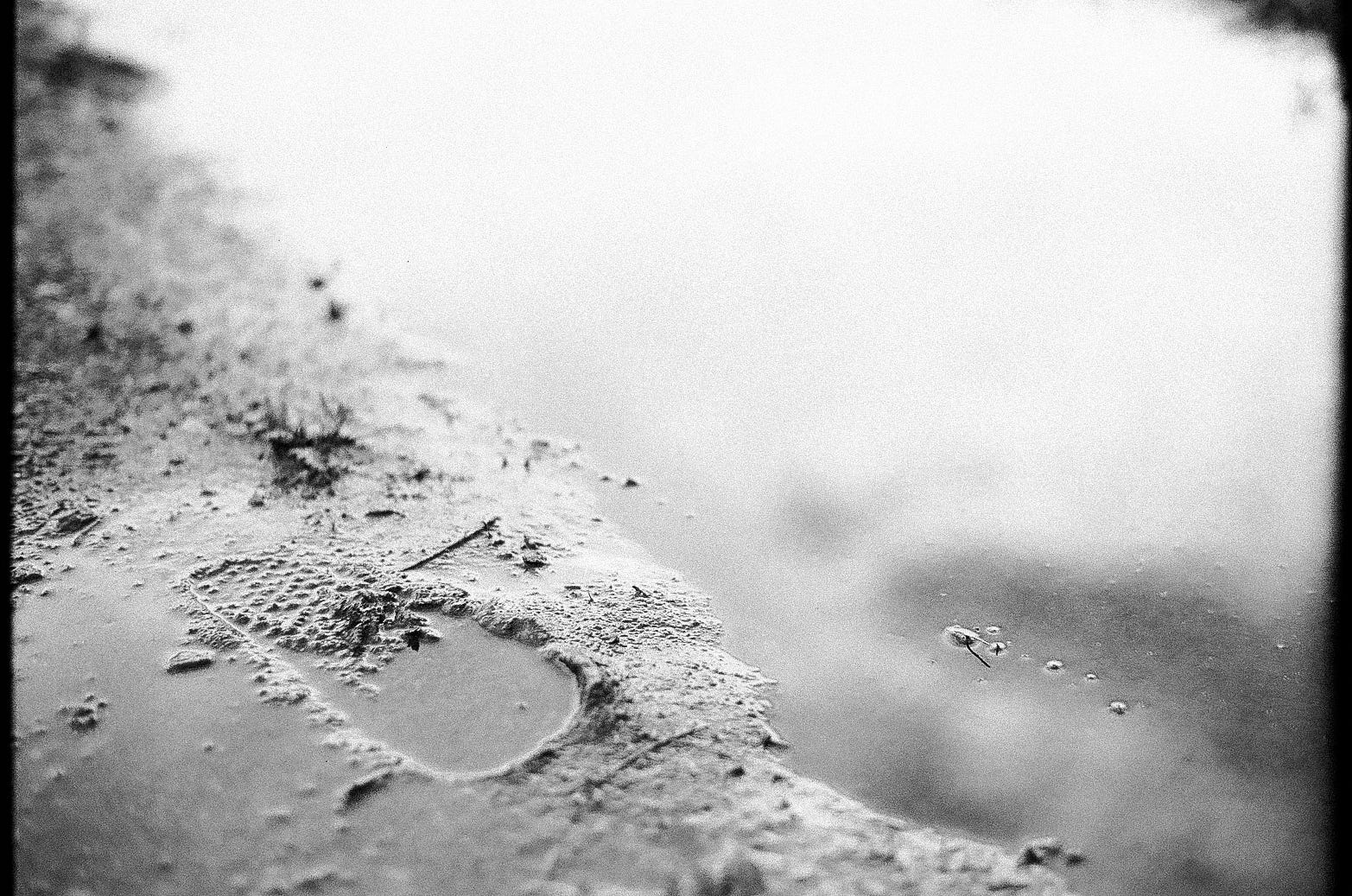
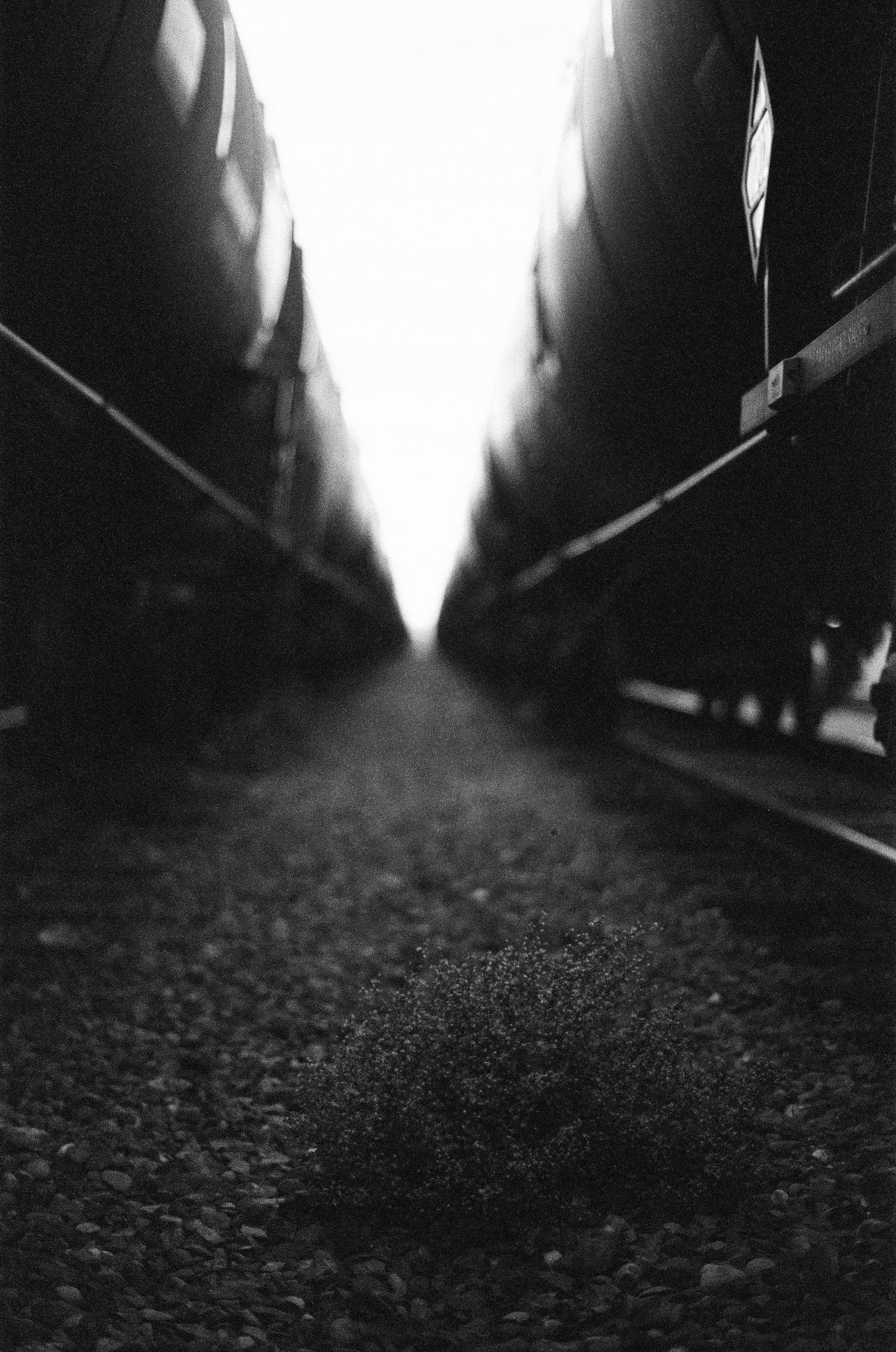
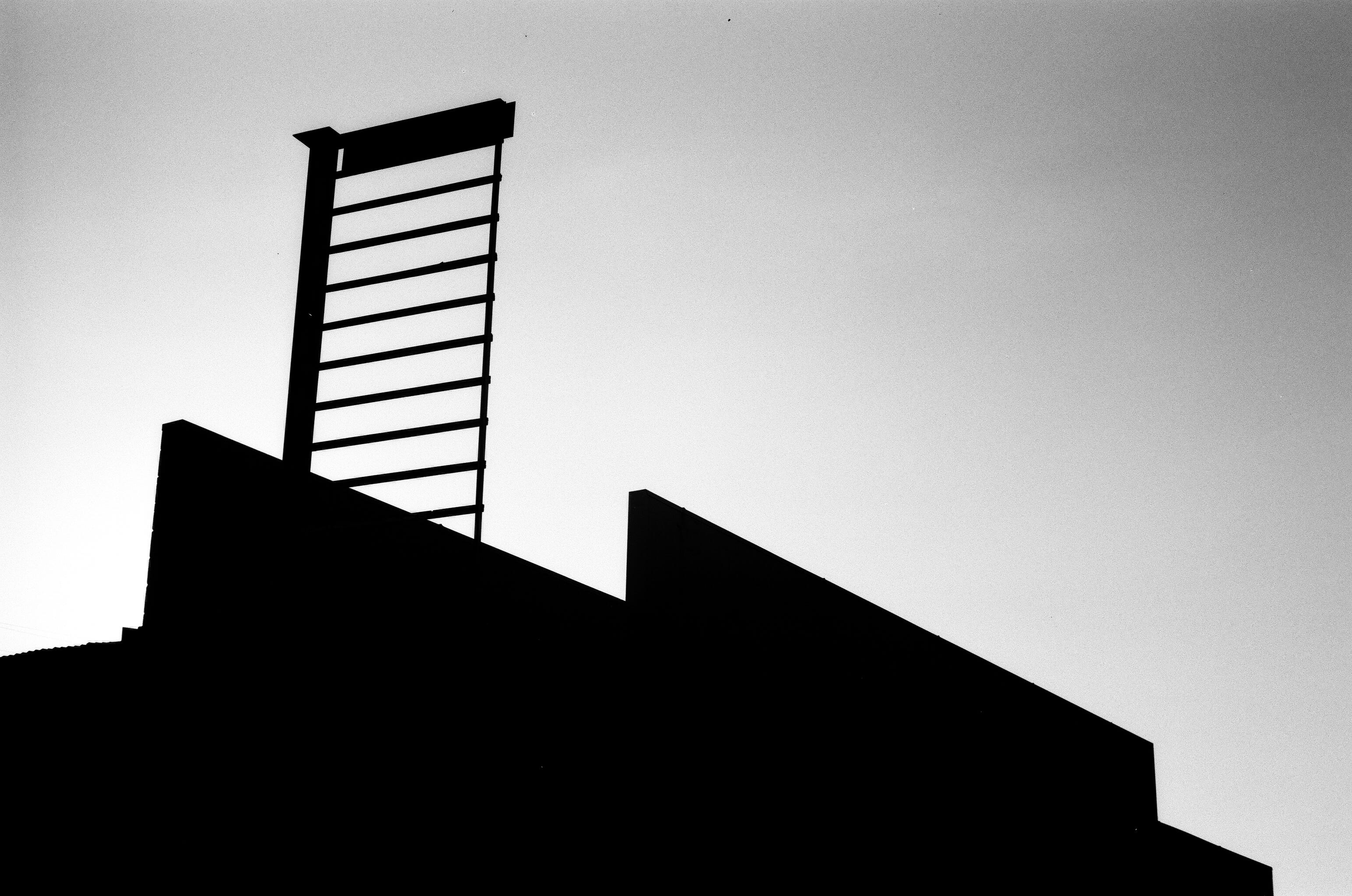
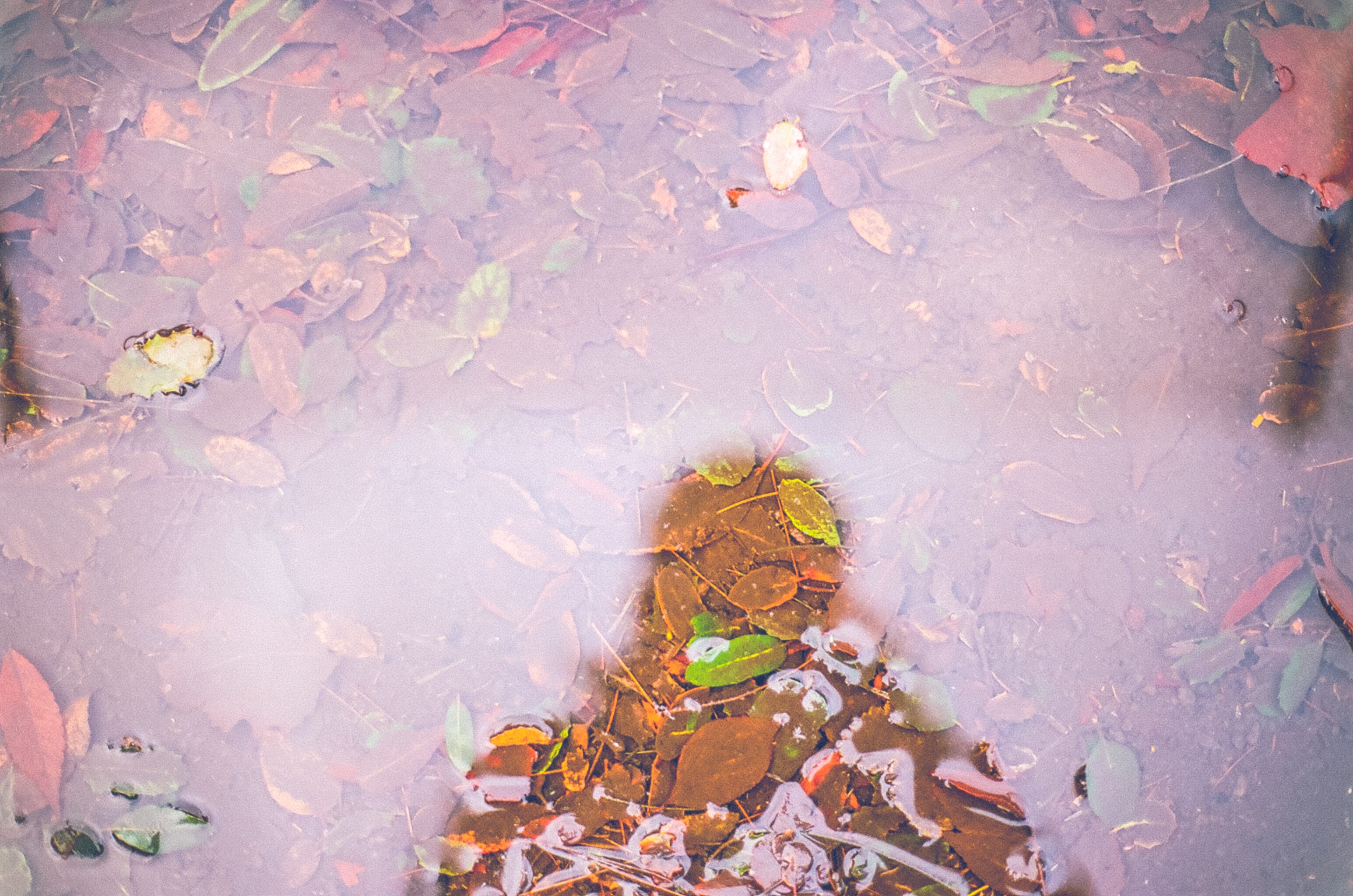
Looking back now, those rolls produced some of the most unpredictable and strangely beautiful frames in my archive. Happy accidents. Chemical shifts. Color palettes that no preset or digital process could intentionally recreate. In some cases, the results weren’t technically “good” photographs. In others, they revealed something unexpected that felt alive precisely because it wasn’t controlled.
And maybe that’s part of the point.
Not every experiment needs to succeed. Not every frame needs to fit neatly into a portfolio or a project sequence. Sometimes experimentation simply reminds us how to see differently. As I finish this round of spring cleaning and start looking ahead to summer projects, I’m realizing I definitely need to take my own advice.
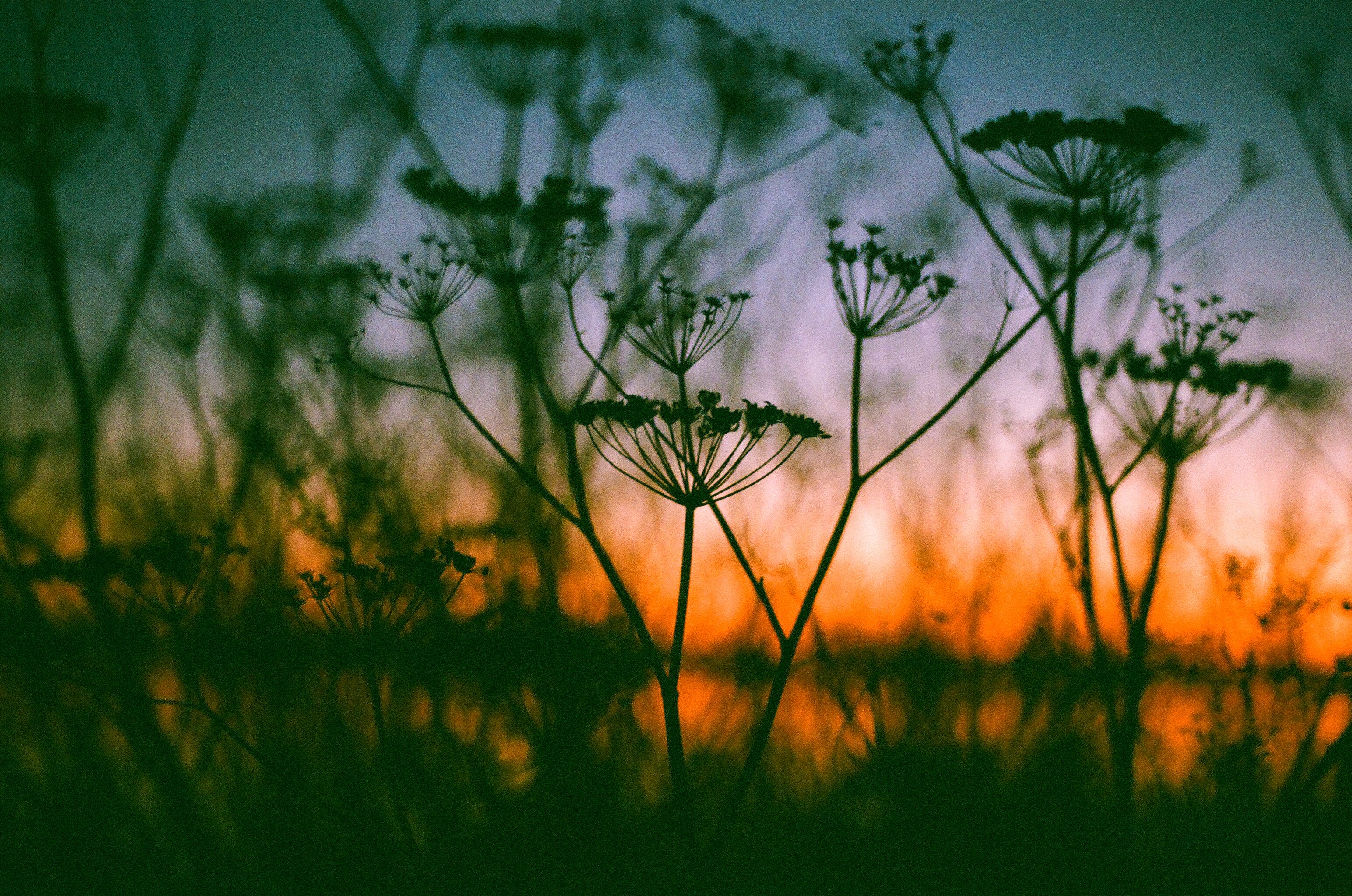
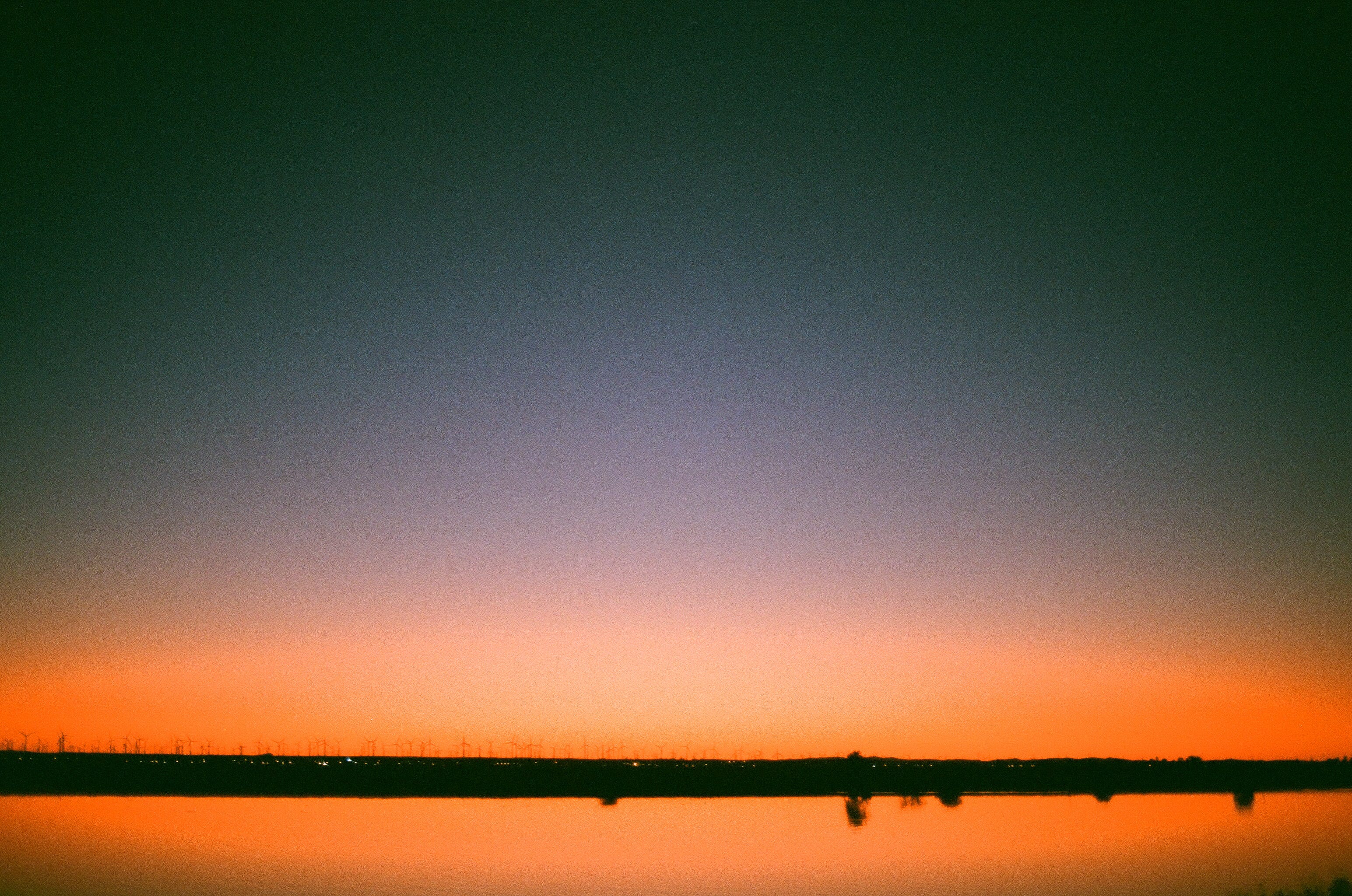
Here’s to keeping curiosity alive.
Here’s to the occasional failure.
And here’s to remembering that experimentation is often where the most honest discoveries begin.
Thanks Benjamin. I really like your photos. But the reminder about experimentation and being open is even more powerful.
I absolutely love all the images!! And this sentence "alive precisely because it wasn’t controlled" is probably why. I think our inspiration gets nurtured by experimentation and lack of control. And then we grow, as artists and as people. I think there is always a fine balance between doing what you know how to and doing it well, and then letting go again and trying something new or unexpected. I love all your work, but I am excited to see where some new experimentation might lead you.